Production-grade automation and AI for operations.
You already know automation and AI can take repetitive work off your team's plate.
Maybe you tried an off-the-shelf tool or ran a quick pilot, and it looked great in the demo. Then it met your real data, your existing software stack, and the edge-case exceptions your staff handles every day, and it stalled. That gap is where most operations projects quietly die.
We take the time to learn how your business actually runs: the workflows, the tools, and the manual handoffs. Your domain experts work directly with our engineers to put one process into production at a time, using rules-based automation where logic is fixed and AI where judgment is required.
How we work.
From initial operational audit to deployed system in weeks. We automate one process in production at a time.
01
Discovery
We sit down with the people who do the daily work to map how your operations run end to end. Together, we turn that into a clear roadmap and a process-by-process engineering plan.
02
Start with one process
We pick a single bottleneck with an obvious, measurable payoff - such as hours of weekly paperwork or a backed-up intake queue - and scope an implementation plan after a few focused conversations with your team.
03
Build and test on real data
We build the system directly inside your existing tools - your CRM, field software, inbox, and accounting platform - and test it against your real historical records and edge cases until it holds up.
04
Run it live
We deploy the workflow into production with human-in-the-loop review where it matters, automated error alerts, and managed engineering support. We monitor live runs and keep refining accuracy.
05
Expand to the next process
Once the first system has proven itself in daily use, we move to the next bottleneck. Each deployment reuses the integrations and operational context from the last, so you never start from zero.
Targeted systems engineered around real operational bottlenecks, built into tools your team already uses.
Knowledge systems that span your stack
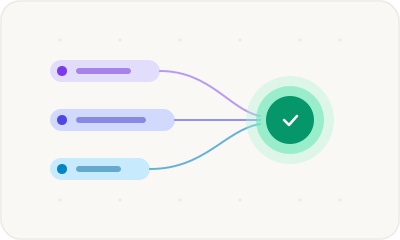
Pull verified answers out of SOPs, equipment manuals, past job logs, and internal databases on demand without digging through folders.
IN PRACTICE: CLINICAL RESEARCH PRACTICE
Multi-source research and protocol synthesis system that cut literature and planning time by roughly 60%.
Cross-system workflow automation
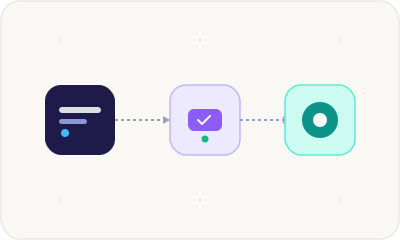
Eliminate repetitive copy-paste and rules-heavy busywork using custom API integrations and deterministic pipelines across the software you already pay for.
IN PRACTICE: FIELD SERVICE COMPANY
Automated post-job pipeline turning raw technician notes and site photos into formatted customer PDFs and synced CRM records in under a minute.
Operational AI agents
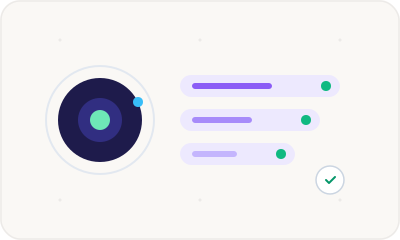
Deploy targeted agents that read unstructured documents, classify inbound requests, and prepare multi-step actions with confidence thresholds and human approval.
IN PRACTICE: REAL ESTATE BROKERAGE
24/7 inbound inquiry triage agent that extracts buyer criteria, matches listings, syncs the CRM, and drafts one-click agent replies.
...and many more custom systems for taking manual work out of daily operations.
No. We build inside the software your team already runs - whether that is your CRM, field service platform, accounting tool, or shared inbox - so your staff keeps working in familiar interfaces while the busywork is automated around them.
Which process should we automate first?
One with a clear, measurable return. During discovery, we map your operations end to end with your team and pick the workflow where removing manual steps saves the most hours or clears the biggest bottleneck first.
When do you use rules-based automation vs AI?
When a step follows strict, repeatable logic - like syncing records between two APIs or calculating chemical dosages - we use deterministic automation because it is fast, predictable, and inexpensive. We bring in AI only where a step requires reading unstructured inputs, classifying intent, or drafting language, and we pair it with confidence thresholds and human review.
Why do so many automation and AI pilots stall before production?
Most pilots are built for a clean demo, not for messy real-world inputs, legacy software quirks, and daily exceptions. We build and test directly against your historical data and real edge cases until the pipeline holds up reliably, then roll it out one process at a time.
How do we know the system will work before we rely on it?
We benchmark every workflow against your actual past jobs, documents, and edge cases in a staging environment before going live, so you can verify accuracy and fallback behavior before your team depends on it.
What happens after the system goes live?
Our engineers provide managed post-launch support. We monitor production runs, catch new edge cases, keep tuning performance, and use what we learn about your stack to accelerate the next process.
Who owns the intellectual property, data, and finished deliverables?
You do. You retain full ownership of all custom code, workflows, data, and deliverables built during our engagement.
If automation and AI are going to reshape your industry, you'd rather be the one leading it.
Tell us where manual work is slowing your team down. We will tell you honestly what can be automated and whether we are the right team to build it.